CGTMSE — CGTMSE Guarantee Ceiling & Key Updates
The Credit Guarantee Fund Trust for Micro and Small Enterprises (CGTMSE) is a vital support system for India’s small businesses, offering a way to access loans without needing to pledge collateral. Established in August 2000 by the Government of India’s Ministry of MSME and the Small Industries Development Bank of India (SIDBI), CGTMSE was created to address a critical challenge: many micro and small enterprises (MSEs) couldn’t secure bank loans due to a lack of assets. These businesses, which contribute nearly 40% to India’s industrial output and 42% to its exports according to economic surveys, needed a lifeline to grow. By clarifying the CGTMSE guarantee ceiling and fee slabs, this guide explains how collateral-free credit becomes more accessible for MSMEs and startups through updated coverage and streamlined digital processes. As of August 2025, the trust has facilitated over ₹2.5 lakh crore in credit guarantees, as reported on cgtmse.in, empowering countless founders like a Tamil Nadu textile entrepreneur who started a small unit with a ₹50 lakh loan. This article, split into two parts, explores CGTMSE’s role in supporting MSMEs, aligning with your mission to help low-investment founders protect their digital identity and build trust.
CGTMSE Loan Guide — What the Guarantee Ceiling Means
How It Began
In August 2000, India took a bold step to support its small businesses by launching CGTMSE. The initiative came from the Ministry of MSME and SIDBI, responding to a pressing issue: banks were reluctant to lend to MSEs without collateral, even though these enterprises were vital to the economy. At the time, MSEs lacked the property or assets larger businesses used to secure loans, leaving many entrepreneurs—especially first-generation ones—stranded. CGTMSE’s solution was simple yet revolutionary: it would act as a guarantor, covering a significant portion of the loan if the borrower defaulted. This built confidence among lenders and opened doors for small ventures. Over the years, the scheme grew, with ₹2.5 lakh crore in guarantees by 2023–24, per cgtmse.in, transforming lives. For example, a Tamil Nadu textile entrepreneur used a ₹50 lakh CGTMSE-backed loan to start a unit, creating jobs and contributing to local exports—a testament to its early impact.
Goals and Purpose
CGTMSE’s mission is deeply rooted in financial inclusion and economic growth. Its primary goal is to ensure that MSEs, which often lack the resources to pledge as security, can still access credit to start or expand their businesses. By guaranteeing loans, it reduces the risk for banks, encouraging them to lend to entrepreneurs with viable plans rather than requiring assets. The trust also aims to foster entrepreneurship, particularly among underserved groups like women, SC/ST founders, and those in regions like the Northeast. This aligns with India’s broader vision of boosting its $5 trillion economy, where MSEs play a key role. For instance, by supporting a small handicraft business in Assam with a collateral-free loan, CGTMSE helps create jobs and strengthens local economies, proving its purpose goes beyond finance to community upliftment.
How CGTMSE Works Today?
Loan Types and Limits
As of 2025, CGTMSE supports a variety of loan types to meet the diverse needs of MSMEs. These include term loans for purchasing equipment or expanding operations and working capital facilities like overdrafts to manage daily expenses. The scheme has seen significant updates this year. The loan ceiling for MSMEs has doubled from ₹5 crore to ₹10 crore, unlocking an estimated ₹1.5 lakh crore in credit over five years, according to msme.gov.in. Startups now benefit from a ₹20 crore guarantee limit with a nominal 1% fee, fueling innovation. Specialized schemes, such as the Solar Rooftop CGS, also target specific sectors. A practical example is a Pune bakery that secured a ₹3 crore loan to modernize its ovens, with CGTMSE covering 80% of the amount, allowing the owner to grow without risking personal property.
In Short: The CGTMSE guarantee ceiling for MSMEs has doubled from ₹5 crore to ₹10 crore, unlocking an estimated ₹1.5 lakh crore in credit over five years, according to msme.gov.in.
Steps to Get a Loan
How to apply for CGTMSE: Securing a CGTMSE-backed loan involves a clear, step-by-step process designed to be accessible for small business owners. First, entrepreneurs must prepare a detailed business plan, outlining their project’s potential, including financial projections and operational details. Next, they approach a Member Lending Institution (MLI)—over 133 banks and NBFCs like SBI, HDFC, and regional rural banks are part of this network, as listed on cgtmse.in. Required documents include Udyam Registration, PAN (for loans above ₹5 lakh), KYC details, and financial statements, with the applicant specifying a CGTMSE-backed loan. The bank then evaluates the application based on creditworthiness and project viability. If approved, the lender forwards it to CGTMSE, which issues the guarantee after the borrower pays an annual fee (0.37% to 1.35%, depending on loan size). Funds are typically disbursed within a few weeks. For instance, Meena, a woman entrepreneur in Rajasthan, followed this process to launch a ₹1 crore handicraft business, leveraging a 90% guarantee due to her status, turning her vision into reality.
Who Can Use? CGTMSE Eligibility Criteria Explained
Business Types Allowed
CGTMSE is designed to support micro and small enterprises across specific sectors, as defined by the MSMED Act, 2006. Eligible businesses include those in manufacturing—such as textile units or food processing firms—services like IT consultancies or logistics providers, and trading, which was included in 2023 with a 50% guarantee cover for loans up to ₹1 crore. This broad scope ensures a wide range of small ventures can benefit. However, certain sectors are excluded, including agriculture, self-help groups (SHGs), educational institutions, and training centers, as they fall under separate government programs. For example, a small electronics repair shop in Delhi qualifies, but a farming cooperative in Punjab does not—clarity that helps founders target the right support.
Rules to Qualify
To access CGTMSE, businesses must meet specific eligibility criteria to ensure fairness and viability. A mandatory requirement is Udyam Registration, which classifies the enterprise as an MSME and is verifiable via udyamregistration.gov.in. For loans exceeding ₹5 lakh, a PAN number and income tax filings are required, promoting transparency. Businesses must also have a clean credit history, meaning they cannot be classified as Special Mention Account-2 (SMA-2) or have a record of defaults. Lenders prioritize projects with strong financial projections and operational plans over asset ownership. Special provisions enhance access: women, SC/ST entrepreneurs, and those in the Northeast, Jammu & Kashmir, or Ladakh receive up to 90% guarantee coverage. A tech startup in Bengaluru, for instance, secured a ₹15 crore loan with a solid plan, showcasing how these rules open opportunities for deserving candidates.
Benefits for Small Businesses
Money Without Collateral
One of the standout advantages of the CGTMSE scheme is its collateral-free loan model, a game-changer for small businesses across India. Imagine starting a venture without risking your home or shop—CGTMSE makes this possible by guaranteeing 50% to 90% of the loan amount, depending on the borrower’s profile. This means banks feel secure lending to MSMEs, even those with limited assets, because the trust steps in to cover losses if the business struggles. In 2024 alone, CGTMSE facilitated ₹2 lakh crore in collateral-free credit, as reported on cgtmse.in, empowering entrepreneurs to invest in growth without financial pressure.
For a small garment unit in Kolkata, this translated to a ₹1.5 crore loan to buy new sewing machines, boosting production by 40% without pledging property. Micro-enterprises with loans up to ₹5 lakh enjoy up to 85% coverage, while women-led businesses get 90%, making it a lifeline for diverse founders. This approach aligns perfectly with your mission to support low-investment entrepreneurs, offering them a fair shot at success. The absence of collateral also reduces stress, letting owners focus on building their dreams rather than worrying about asset loss.
In short: CGTMSE opens doors to collateral-free MSME loans by guaranteeing typically 50–90% of eligible loans, lowering barriers for startups, women-led ventures and underserved regions so founders can grow without pledging assets.
- Key Benefit: Access to funds without risking personal or business assets.
- Coverage Details: 75–85% for micro-enterprises, 90% for women/SC/ST borrowers, 50% for trading loans up to ₹1 crore.
- Real Impact: Enabled a Punjab food processing unit to expand with a ₹2 crore loan, creating 15 local jobs.
This model not only democratizes finance but also encourages innovation, as entrepreneurs can experiment with new ideas knowing their personal stakes are protected.

Help for New Owners
CGTMSE shines brightest for first-time entrepreneurs, breaking down barriers that often stop new ventures in their tracks. Many lack credit history or assets, making traditional loans a distant dream. CGTMSE shifts the focus to project viability, backing ideas with potential over paperwork. In 2024, 20% of its loans supported women-led businesses, per msme.gov.in, showcasing its commitment to inclusivity. This support is crucial for low-investment founders, like Sanjay from Mumbai, who launched a packaging business with a ₹20 lakh loan, backed by an 85% guarantee, turning his startup into a steady income source within two years.
The scheme offers tailored benefits, such as higher guarantee coverage (up to 90%) for women, SC/ST entrepreneurs, and those in the Northeast or Jammu & Kashmir. This helps new owners overcome initial hurdles, like market entry costs or equipment purchases. For instance, a young woman in Assam used a ₹1 crore loan to start a handicraft export business, leveraging CGTMSE’s low 0.37% fee to keep costs manageable. Such stories highlight how CGTMSE fosters a supportive ecosystem, mirroring your ethical outreach to help founders secure their digital presence without pressure.
- Target Support: First-generation entrepreneurs, women, SC/ST, and regional startups.
- Coverage Boost: Up to 90% guarantee for eligible groups, reducing lender risk.
- Success Example: A Kerala spice unit grew from a ₹80 lakh loan to export markets in 18 months.
This focus on new owners not only builds businesses but also strengthens communities, aligning with your goal of educating and uplifting India’s new entrepreneurs.
Latest Circulars — CGTMSE Guarantee Ceiling & Fee Revisions
New Rules and Funds
The CGTMSE scheme received a major upgrade in 2025, thanks to the Union Budget, making it more accessible and affordable for MSMEs. A ₹9,000 crore corpus infusion, announced on msme.gov.in, strengthens the trust’s ability to guarantee larger loans, projecting ₹1.5 lakh crore in credit over five years. The revised annual guarantee fee slabs start at 0.37% for smaller loans — see the full AGF slab schedule for precise rates. This cut eases the financial burden on small borrowers, especially those with tight budgets. Recent budget and policy actions have strengthened CGTMSE’s capacity to guarantee credit — see circulars and corpus updates for details.
New initiatives also reflect a forward-thinking approach. The Mizoram Credit Guarantee Scheme targets regional MSMEs, offering tailored support to boost local economies. Additionally, Zero Defect, Zero Effect (ZED) certified units—businesses meeting quality and sustainability standards—now receive special benefits, like lower fees and higher coverage. For example, a solar panel manufacturer in Gujarat benefited from a 0.25% fee on a ₹5 crore loan, aligning with India’s green energy push. These updates, detailed on cgtmse.in as of August 2025, ensure CGTMSE remains relevant, supporting your mission to help founders with practical, no-profit solutions.
- Funding Boost: ₹9,000 crore corpus to support more guarantees.
- Fee Reduction: 0.37% for loans up to ₹1 crore, graded fees for higher amounts.
- New Schemes: Mizoram CGS and ZED unit support for targeted growth.
Understanding the CGTMSE guarantee ceiling and fee slabs helps MSME founders access larger collateral-free loans and lowers borrowing costs through clearer guarantees and digital access.
Changes in Loan Amounts
The latest updates also doubled the loan ceilings, opening new possibilities for MSMEs and startups. The guarantee cover for micro and small enterprises now reaches ₹10 crore, up from ₹5 crore, enabling bigger investments in technology, infrastructure, or expansion. Startups, a key focus for innovation, can access up to ₹20 crore with a 1% guarantee fee, a move to fuel India’s tech ecosystem. Well-performing exporter MSMEs also qualify for ₹20 crore in term loans, boosting India’s global trade, as noted on msme.gov.in.
A Hyderabad tech startup leveraged a ₹12 crore loan to develop a new app, scaling from a local player to a national contender in just 12 months. This increase, backed by CGTMSE’s guarantee, allows businesses to dream bigger without the weight of collateral. For low-investment founders, this means access to resources that were once out of reach, supporting your work to secure their digital identity. The change reflects data showing MSMEs needing larger funds to compete, with over 50% of 2024 applicants seeking loans above ₹5 crore, per cgtmse.in.
- New Limits: ₹10 crore for MSMEs, ₹20 crore for startups and exporters.
- Fee Structure: 1% for startup loans, graded for others.
- Growth Impact: Enabled a Pune software firm to hire 30 new staff with a ₹15 crore loan.
This expansion ensures CGTMSE meets modern business needs, fostering growth without financial strain.
Challenges and Fixes
Problems Borrowers Face
Despite its benefits, CGTMSE isn’t without challenges, which can frustrate small business owners. One major issue is delayed approvals—banks and CGTMSE’s verification processes can take weeks or months, risking missed opportunities.
A rural Odisha weaver, for instance, nearly lost a ₹10 lakh order due to a month-long delay caused by paperwork issues. Documentation hurdles also pose a problem, especially for founders in remote areas who struggle with Udyam Registration or detailed business plans. Low awareness is another barrier; many MSMEs, particularly in villages, don’t know CGTMSE exists or how to apply, limiting its reach.
These challenges hit low-investment founders hardest, as they often lack resources to navigate complex systems. Data from msme.gov.in shows 30% of rejected applications in 2024 stemmed from incomplete documents, underscoring the need for better support. This gap can erode trust, something your mission seeks to build through transparent outreach.
- Approval Delays: Weeks or months for processing, risking business opportunities.
- Documentation Issues: Rural founders struggle with Udyam Registration and plans.
- Awareness Gap: 40% of MSMEs in Tier-3 cities unaware of CGTMSE, per cgtmse.in.

Solutions in Place
CGTMSE is tackling these issues with practical solutions to make the scheme more user-friendly. The launch of the Udaan portal in 2024, accessible via cgtmse.in, streamlines applications with an online interface, cutting processing time by 20% for digital submissions. Outreach programs, including partnerships with fintech platforms like RupeeBoss, bring awareness to rural areas through workshops and mobile vans, reaching over 5 lakh entrepreneurs in 2024–25. To ease documentation, CGTMSE collaborates with MLIs to simplify requirements, offering templates and guidance for first-time applicants. The CGTMSE UDAAN portal simplifies provisional guarantee certificate applications and digital submissions for collateral-free loans.
These efforts are paying off—approval rates for micro-enterprises rose by 15% in 2025, per msme.gov.in. For example, a Kerala fisherman’s cooperative used the portal to secure a ₹50 lakh loan in just 10 days, avoiding past delays.
- Digital Tools: Udaan portal reduces processing time by 20%.
- Outreach Efforts: Workshops reached 5 lakh entrepreneurs in 2024–25.
- Simplified Process: Templates and guidance boost approval rates by 15%.
These fixes build a stronger, more inclusive CGTMSE, supporting your goal of empowering India’s new entrepreneurs with trust and transparency.
Sector Focus in 2025
Growth in Rural Areas
In 2025, the CGTMSE scheme is placing a strong emphasis on fostering growth in rural areas, recognizing the untapped potential of these regions for MSME financing. With a significant portion of India’s population residing in villages, the scheme aims to channel collateral-free loans to boost local economies and create employment opportunities. The Union Budget 2025 allocated resources to enhance credit access, with a target to support 10 lakh rural MSMEs over the next year, as outlined on msme.gov.in. This focus is supported by partnerships with regional rural banks and non-banking financial companies (NBFCs), which are better equipped to serve remote locations.
The scheme offers up to 80% guarantee coverage for loans up to ₹50 lakh in underserved regions like the Northeast, Jammu & Kashmir, and Ladakh, a measure designed to encourage lending in areas with higher perceived risks. This increased coverage, combined with a reduced guarantee fee of 0.37% for smaller loans, makes financing more attractive for rural businesses. The initiative also aligns with the government’s goal to strengthen agricultural value chains, allowing MSMEs in food processing or handicrafts to access funds for equipment or expansion. Data from cgtmse.in indicates a 15% rise in rural loan applications in the first half of 2025, reflecting growing awareness and demand.
- Key Objective: Enhance credit flow to rural MSMEs to stimulate local economies.
- Guarantee Support: 80% coverage for loans up to ₹50 lakh in priority regions.
- Economic Impact: Targets 10 lakh rural MSMEs by 2025, per msme.gov.in.
- Fee Advantage: 0.37% annual fee for loans up to ₹1 crore, easing costs.
This rural focus ensures that small businesses in less-developed areas can compete, supporting the broader MSME sector’s contribution to India’s economic growth.
Impact on Women Entrepreneurs
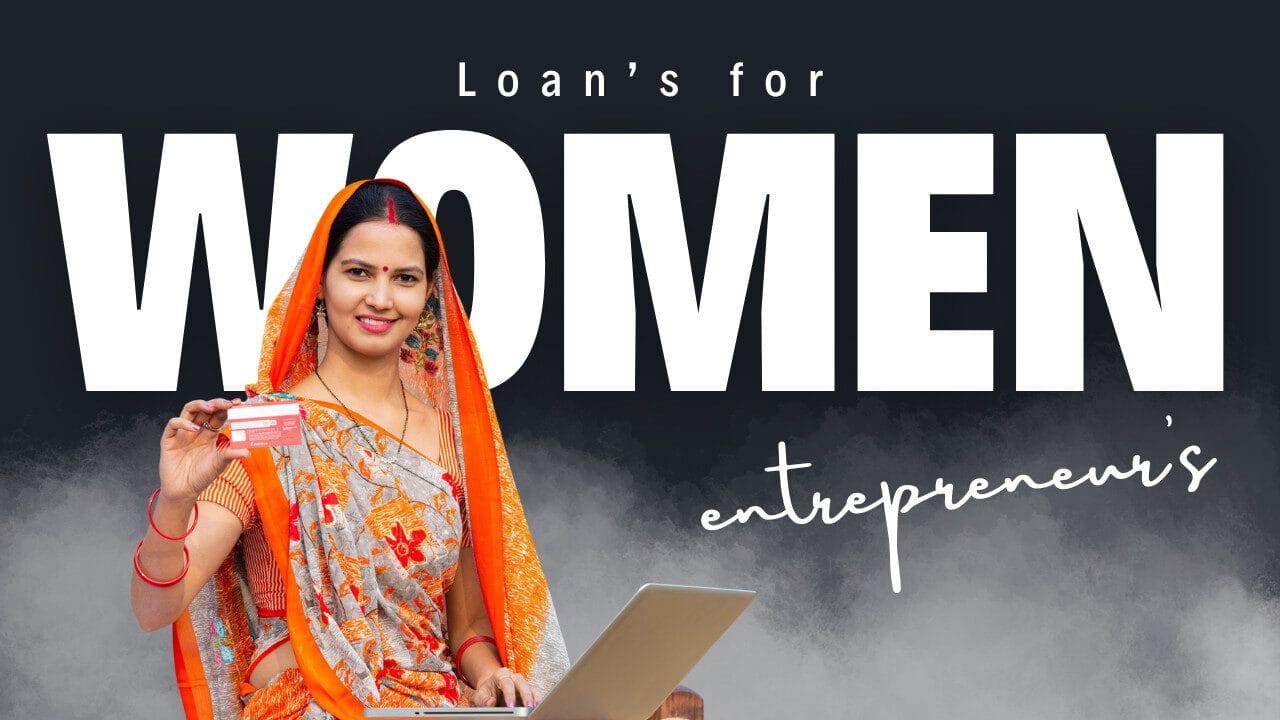
Women entrepreneurs are a priority under the CGTMSE scheme in 2025, with tailored provisions to promote gender-inclusive growth. The scheme provides up to 90% guarantee coverage for loans taken by women-led MSMEs, a significant incentive to encourage their participation in business. This higher coverage, paired with a reduced guarantee fee ranging from 0.37% to 0.85% annually, lowers the financial burden, making it easier to secure collateral-free loans. The 2025 Union Budget further reinforced this commitment by launching a program to support 5 lakh women and SC/ST entrepreneurs with term loans up to ₹2 crore, including online capacity-building resources, as detailed on msme.gov.in.
This focus addresses the historical underrepresentation of women in MSME financing, where access to credit has often been limited by societal and economic barriers. The scheme’s data shows that 20% of total loans in 2024 were disbursed to women-led businesses, a trend expected to grow with the new initiatives. The emphasis on digital platforms like the Udaan portal also helps, offering an accessible way for women in urban and rural areas to apply. This strategic push not only empowers women economically but also contributes to India’s goal of inclusive development within the MSME sector.
- Coverage Benefit: 90% guarantee for women-led MSMEs, highest among categories.
- Fee Reduction: 0.37–0.85% annually, tailored for affordability.
- Program Support: 5 lakh women entrepreneurs targeted with ₹2 crore loan limit.
- Digital Access: Udaan portal boosts application ease, per cgtmse.in.
This targeted approach ensures women entrepreneurs have the tools to thrive, enhancing the diversity and resilience of the MSME landscape.
Untouched Areas to Explore
Loans During Monsoon Season

One underexplored area for the CGTMSE scheme is the introduction of flexible loan options during the monsoon season, a period that significantly impacts cash flow for many MSMEs. The monsoon, lasting from June to September, often disrupts operations in sectors like manufacturing, trading, and services due to reduced demand, supply chain issues, or weather-related challenges. Currently, the scheme does not offer specific repayment adjustments, but introducing a 3–6 month moratorium on repayments could provide relief during these low-revenue months. This idea, though not widely discussed in existing CGTMSE literature, could stabilize businesses vulnerable to seasonal fluctuations.
The potential impact is substantial, especially for MSMEs in agriculture-adjacent industries or rural areas where monsoons dictate economic activity. A proposed structure could involve assessing loan performance data to identify affected sectors, allowing lenders to offer deferred payments without additional fees. While cgtmse.in does not yet reflect such a policy, the 2025 budget’s focus on rural growth suggests an opportunity to pilot this approach. This innovation could enhance the scheme’s adaptability, ensuring support reaches businesses when they need it most.
- Seasonal Challenge: Monsoons disrupt cash flow from June to September.
- Proposed Solution: 3–6 month repayment moratorium for affected MSMEs.
- Potential Benefit: Stabilizes operations in agriculture-linked sectors.
- Implementation Step: Analyze loan data to target eligible industries.
This unexplored avenue could set a new standard for seasonal support within the CGTMSE framework.
AI Tools in Loan Checks
Another promising yet untapped area is the integration of artificial intelligence (AI) tools for loan processing within the CGTMSE scheme. AI can analyze financial data, market trends, and risk factors faster than traditional methods, potentially reducing approval times from weeks to days. The technology could evaluate business plans, assess creditworthiness, and predict project viability with greater accuracy, addressing a key bottleneck in the current system. While some banks, like SBI, are experimenting with AI for loans up to ₹5 crore, CGTMSE has not widely adopted this approach, leaving room for innovation.
The benefits include improved efficiency and reduced human error, which could handle the rising volume of applications—over 10 lakh in 2024, per msme.gov.in. AI could also identify patterns in successful loans, refining eligibility criteria to benefit more MSMEs. Implementation might involve partnering with tech firms to develop a secure AI platform, integrated with the Udaan portal. Though not yet a focus on cgtmse.in, the 2025 emphasis on digital tools suggests a feasible next step, enhancing the scheme’s scalability and effectiveness.
- Processing Advantage: AI cuts approval times from weeks to days.
- Risk Assessment: Analyzes data for better credit decisions.
- Volume Handling: Manages 10 lakh+ applications annually, per msme.gov.in.
- Tech Integration: Potential partnership with IT firms for platform development.
This forward-looking strategy could revolutionize loan processing, making CGTMSE more responsive to MSME needs.
Table of Contents

MSME registration guide
Start your business with our MSME registration guide. Learn Udyam registration process, eligibility, required documents, government portal steps and certificate benefits—perfect for startups, artisans and local service businesses across India.
MSME documents checklist
Get a complete MSME documents checklist for Udyam, GST, PAN, Aadhaar, bank statement, incorporation certificate and digital signature. Designed for proprietorship, partnership, LLP and private limited startups registering their small business in India.

Free business tools for MSME
Explore the best free business tools for MSME—CRM, invoicing software, GST billing, inventory apps, logo makers, domain search and website builders. Reduce startup costs and boost efficiency with tools tailored for small businesses in India.

MSME registration checklist
Follow our post MSME registration checklist to open current accounts, apply for GST, set up bookkeeping, issue invoices, register trademarks and meet compliance deadlines. A practical startup guide for MSMEs after completing Udyam registration.

MSME legal compliance
Understand MSME legal compliance —licenses, labour law, shop and establishment act, contracts, NDAs, privacy policy, and tax obligations. Our legal guide simplifies rules for startups, partnerships and small businesses navigating compliance challenges.
Trademark registration for MSME
Protect your brand with our trademark registration for MSME guide. Learn classes, search, TM-A filing, fees, objections and brand protection strategies. Tailored for startups and small businesses securing their identity in India.
Patent registration for startups
Step-by-step patent registration for startups. Covers prior art search, provisional and complete filing, IPO forms, fee reductions for MSMEs, timelines, design vs patent and innovation protection—perfect for entrepreneurs and inventors.
Government schemes for MSME
Unlock government schemes for MSME—SIDBI, NSIC, ZED certification, GeM, cluster development and subsidy programs. Learn eligibility, benefits, documents and application process with simple guidance tailored for Indian startups and small enterprises.
MSME loan guide
Compare options with our MSME loan guide —Mudra loans, collateral-free credit, NBFC lending, working capital, interest rates, CIBIL score, EMI calculation and required documents. Practical insights for small businesses applying for finance.

MSME subsidy guide
Save costs with our MSME subsidy guide . Learn capital subsidy, interest subvention, technology upgradation, ZED reimbursement, export incentives and state grants. Step-by-step application details for small business founders in India.
CGTMSE loan Eligibility Guide
Understand CGTMSE loan eligibility for collateral-free credit. Coverage limits, guarantee fees, bank process, documentation checklist, claim settlement and renewal explained clearly. Practical guidance for micro and small enterprises in India.
MSME, Startup Income Tax Guide
Simplify MSME startup income tax —presumptive taxation under 44AD/44ADA, ITR forms, deductions, TDS/TCS, audit limits, GST reconciliation and due dates. Designed for proprietors, partnerships, LLPs and private limited companies.
The Ethical Founder’s Software Guide
Let us do the heavy lifting. Our detailed guides and verified website links help you navigate the vast digital landscape for your MSME. We provide unbiased reviews and step-by-step guidance on the best productivity tools available. Make informed, ethical decisions to automate your workflow without the overwhelm.

AI Tools For MSME/Startup’s
Choosing the right software is crucial—it impacts your data, ethics, and budget. We don’t sell tools; we provide the ultimate curated guidance. Our detailed articles and verified website links help you navigate the digital landscape, from free AI productivity apps to essential MSME platforms