
Complete Guide to Startup Government Funding Schemes: MSME Support & Benefits
The startup government funding schemes benefits have transformed how small businesses operate across the country since its launch on January 16, 2016. As we mark the 9th anniversary of Startup India, National Startup Day 2025 is a momentous occasion to reflect on the initiative that has become a lifeline for new entrepreneurs. The program aims to boost innovation and create jobs while supporting India’s growing economy. The government designed this comprehensive ecosystem to transform India from a nation of job seekers into a nation of job creators. Over the years, this flagship initiative has rolled out various programs to support entrepreneurs across different sectors and regions.
Startup India Scheme
The scheme works closely with MSME support programs to build a strong foundation for small enterprises. Ministry of Micro, Small & Medium Enterprises (M/o MSME) envision a vibrant MSME sector by promoting growth and development of the MSME Sector through coordinated efforts with various stakeholders. This partnership creates a robust ecosystem where startups and MSMEs can access multiple support mechanisms from different government departments and agencies.
Understanding the Startup India Initiative Framework
The Startup India program goes beyond simple business registration to create a complete support system for new companies. The government designed this initiative to address common problems that stop people from starting businesses including lack of funding, excessive paperwork, and limited market access. The scheme has evolved significantly since 2016, with new features and programs added each year to meet the changing needs of entrepreneurs.
The initiative operates under the Department for Promotion of Industry and Internal Trade (DPIIT) and works with multiple ministries and agencies. This coordinated approach ensures that startups receive comprehensive support across different aspects of business development. The program maintains an online portal that serves as a single-point access for all startup-related services and benefits. This digital-first approach has simplified many processes that were traditionally complex and time-consuming.
Key Eligibility Requirements
Before accessing Startup India Scheme benefits, businesses must meet specific criteria established by the government:
- Business Age: Incorporated or registered within the last 10 years
- Annual Turnover: Should not exceed ₹100 crore in any financial year
- Innovation Factor: Must work on innovation, development, or improvement of products/services
- Business Structure: Cannot be formed by splitting existing business operations
- Scalability: Should have potential for employment generation or wealth creation
These criteria ensure that support reaches genuine startups rather than established businesses seeking government benefits. The government regularly reviews these parameters to ensure they remain relevant to the evolving startup ecosystem.
Comprehensive Tax Benefits and Financial Relief
Tax exemptions for new businesses under the Startup India program provide substantial financial relief during critical early years. The government recognizes that new companies need maximum cash flow to invest in growth rather than paying taxes. These exemptions create a significant competitive advantage for eligible startups compared to traditional businesses.
Startup Tax Exemption Eligibility Details
The income tax exemption represents the largest single financial benefit available to qualified startups. Eligible businesses can completely skip income tax payments for three consecutive years within their first seven years of operation. This flexibility allows startups to choose the most beneficial three-year period based on their revenue trajectory.
To access Startup Tax Exception eligibility, startups must obtain certification from the Inter-Ministerial Board (IMB). This board evaluates whether the business demonstrates genuine innovation and has potential for growth and employment creation. The certification process requires detailed business plans, financial projections, and evidence of innovative activities. The board meets regularly and typically responds within 45 days of receiving complete applications.
GST Relief and Indirect Tax Benefits
GST relief provides additional tax savings specifically designed for new ventures with lower revenue. The government has established a threshold system where businesses with annual turnover below ₹50 lakh can claim complete GST exemption for their first year of operations. This threshold was increased from ₹40 lakh in recent budget announcements to help more businesses qualify for relief.
The exemption process requires startups to register on the GST portal and link their registration to their Startup India certificate. This connection ensures that only recognized startups can access these benefits. The system automatically tracks turnover and alerts businesses when they approach threshold limits.
MSME Financial Support Programs and Credit Access
MSME financial support 2025 programs represent one of the most critical aspects of the government’s entrepreneurship promotion strategy. Micro, Small and Medium Enterprises (MSME) sector, with more than 6.30 crore enterprises, has emerged as a vital component of India’s economic structure. These programs specifically address the capital access challenges that prevent many entrepreneurs from starting or expanding their businesses.
Fund of Funds Startup Investment Structure
The Fund of Funds startup investment operates as a sophisticated investment mechanism that channels government money through professional fund managers. The government contributes to a large corpus that gets distributed among SEBI-registered Alternative Investment Funds (AIFs). These funds then make investment decisions based on commercial viability and growth potential. This structure brings several advantages over direct government lending. Professional fund managers have expertise in evaluating business proposals and monitoring portfolio companies. The commercial approach ensures that investments go to viable businesses rather than being influenced by political considerations. The scheme also leverages private sector co-investment, multiplying the impact of government funding.
Investment Process and Criteria
The Fund of Funds follows a structured investment process:
- Application Phase: Startups apply through registered AIFs
- Due Diligence: Fund managers evaluate business plans and teams
- Investment Committee: Professional review of investment proposals
- Stage-wise Funding: Money released based on achievement of milestones
- Portfolio Monitoring: Regular tracking of business performance
Fund managers typically look for startups with strong founding teams, clear market opportunities, and scalable business models. The average investment size has grown over the years, reflecting the increasing sophistication of Indian startups. Technology, manufacturing, and healthcare sectors receive priority consideration due to their job creation potential.
Benefits for Small Businesses?
MSME Credit Guarantee Fund Mechanism
The MSME credit guarantee fund mechanism provides loan guarantees through (CGTMSE) provides loan guarantees that enable banks to lend without traditional collateral requirements. This mechanism addresses one of the biggest obstacles facing small businesses – the inability to provide security for loans. The guarantee system removes risk for banks while maintaining commercial lending standards.
Under this system, the government guarantees 75-85% of the loan amount depending on the size and type of business. Banks can lend up to ₹10 crore to eligible MSMEs without demanding property or equipment as collateral. The guarantee covers the risk of default, making banks more willing to lend to new businesses with limited credit history.
Startup Government Funding Schemes: Direct Financial Programs
Startup government funding schemes extend beyond loan guarantees and tax benefits to include direct financial support through grants and subsidies. These programs target specific sectors, technologies, or social objectives that align with national priorities. Unlike loans, grants do not require repayment, making them particularly valuable for early-stage research and development activities.
Startup Government Funding Schemes by Sector
Different ministries operate specialized grant programs for startups working in their domains:
Department of Science & Technology Programs:
- Technology Development Board grants for innovative technologies
- NSTEDB support for science and technology startups
- Patent acquisition and enhancement grants
Ministry of Electronics & IT Programs:
- Software development and digital innovation grants
- Cybersecurity startup support programs
- Electronics hardware development funding
Ministry of Health & Family Welfare Programs:
- Healthcare innovation grants
- Medical device development support
- Biotechnology startup funding
Each program has specific eligibility criteria, application processes, and funding limits. Startups must demonstrate how their innovation addresses sector-specific challenges or national priorities. The selection process typically involves technical evaluation by domain experts and successful entrepreneurs.
Application and Selection Process
Government grant applications follow a standardized process across different programs:
- Step 1: Eligibility Verification Startups must confirm they meet basic criteria for the specific program including sector focus, innovation level, and business stage.
- Step 2: Proposal Preparation Detailed project proposals explaining the innovation, market opportunity, technical approach, and expected outcomes.
- Step 3: Technical Evaluation Expert panels review proposals for technical feasibility, innovation potential, and commercial viability.
- Step 4: Financial Assessment Evaluation of funding requirements, budget allocation, and expected return on investment.
- Step 5: Final Selection Merit-based ranking and selection of proposals for funding based on available budget and strategic priorities.
Startup Registration Process India: Complete Walkthrough
The startup registration process India has been streamlined to minimize bureaucratic hurdles while ensuring proper verification. The entire process happens online through the official Startup India portal, making it accessible to entrepreneurs across the country. The government has reduced the time and documentation requirements significantly since the program’s launch.
Pre-Registration Requirements
Before starting the registration process, entrepreneurs must ensure their business meets basic structural requirements. The company must be incorporated as a private limited company, partnership firm, or limited liability partnership. This legal structure must exist before applying for startup recognition. The business should have a clear innovative element that differentiates it from existing market solutions.
Step-by-Step Registration Guide
Required Documentation Checklist
The registration process requires specific documents that prove your business legitimacy and innovative nature:
- Certificate of Incorporation/Registration
- Memorandum and Articles of Association (for companies)
- Partnership Deed (for partnership firms)
- Brief description of business and innovative aspects
- Founder identification documents (Aadhaar, PAN)
- Business address proof
- Bank account details and canceled cheque
- Letters of support or recommendation (if available)
Intellectual Property Rights and Innovation Support
Innovation support through intellectual property protection represents a crucial advantage of the Startup India program. The government recognizes that new businesses often lack resources to protect their innovations through patents, trademarks, and designs. Fast-track IP processing helps startups secure their innovations before competitors can copy them.
IP Fast Track Patent Processing for Startups
The IP fast track patent processing reduces processing time from 3-5 years to 12-18 months for startup applications. This acceleration gives startups competitive advantage by securing their innovations quickly. The system maintains the same quality standards while prioritizing startup applications in the examination queue.
To access fast-track processing, startups must provide their recognition certificate along with patent applications. The government also provides 80% fee reduction for startup patent applications, making IP protection affordable. This combination of speed and cost savings makes patent protection accessible to cash-strapped new businesses.
IP Facilitation Support Services
The program provides access to a panel of IP facilitators who help startups navigate the patent application process. These facilitators are experienced patent attorneys who understand both technical and legal aspects of IP protection. They help startups prepare strong applications that are more likely to receive approval.
The facilitation services include:
- Prior art search to assess patentability
- Patent application drafting and filing
- Response to examination objections
- Portfolio management for multiple patents
- International filing strategy and support
This professional support significantly improves the success rate of startup patent applications compared to self-filed applications.
Digital Infrastructure Startup Support and Technology Enablement
Digital infrastructure startup support helps businesses access modern technology platforms without massive upfront investments. Cloud computing credits, software licenses, and development tools become available at heavily subsidized rates through government partnerships with technology companies. These arrangements level the playing field between startups and large corporations in terms of technology access.
Cloud Computing and Software Access
Government partnerships with major cloud service providers offer significant cost savings for registered startups. These partnerships typically provide free credits worth thousands of dollars for cloud infrastructure, storage, and computing services. Startups can build sophisticated applications and services without investing in physical servers or data centers.
The credits system allows startups to scale their technology usage as their business grows. Initial allocations might be sufficient for development and testing phases. As startups gain customers and revenue, they can access additional credits or transition to commercial pricing with better rates than standard market prices.
Technology Training and Skill Development
Digital skills training programs help startup teams learn new technologies and business tools. These programs cover areas like digital marketing, data analysis, software development, and online business operations. Training delivery happens through online courses, workshops, and mentorship programs conducted by industry experts.
The government partners with educational institutions and technology companies to provide high-quality training at affordable rates. Many successful entrepreneurs credit these training programs with giving them skills needed to grow their businesses effectively. The programs continuously update content to reflect current technology trends and market demands.
Performance Tracking and Impact Measurement
The government maintains comprehensive tracking systems to measure the impact and effectiveness of Startup India programs. These systems collect data on job creation, revenue generation, tax collection, and innovation metrics from supported startups. Regular analysis of this data helps improve program design and identify areas needing additional support.
Economic Impact Metrics
Performance measurement focuses on key economic indicators that demonstrate program value:
Geographic and Demographic Distribution
The program tracks participation across different states, cities, and demographic groups to ensure inclusive growth. Data shows increasing participation from smaller cities and towns, indicating the program’s success in reaching beyond major metropolitan areas. Gender diversity metrics track women entrepreneur participation and success rates.
Regional analysis helps identify areas needing additional support infrastructure or targeted programs. The government uses this data to establish new incubation centers, organize training programs, and deploy support services where they can have maximum impact.
Future Evolution and Program Enhancements
The Startup India program continues evolving to meet changing needs of entrepreneurs and the broader economy. Regular policy reviews incorporate feedback from entrepreneurs, investors, and industry experts. New initiatives address emerging areas like deep technology, social entrepreneurship, and sustainability-focused innovation.
Technology Integration Initiatives
Advanced technologies will play larger roles in future program delivery. Artificial intelligence tools can help match startups with appropriate funding opportunities and support programs. Machine learning algorithms can analyze business patterns to predict success probability and suggest improvement areas.
Blockchain technology might create transparent tracking systems for program benefits and outcomes. Digital platforms will continue simplifying application processes and reducing administrative burden for both startups and government agencies. These technological improvements should make programs more efficient and accessible.
International Collaboration Expansion
Global partnership programs aim to connect Indian startups with international markets and investors. The government is establishing formal agreements with startup ecosystems in other countries to facilitate knowledge sharing and business collaboration. Exchange programs allow Indian entrepreneurs to learn from successful startup communities worldwide.
These international connections help Indian startups access global customers, investors, and technology partners. The relationships also position India as an attractive destination for international startups looking to access the Indian market or establish regional operations.
Accelerating Growth Through Advanced Startup India Programs: Skills, Markets, and Future Opportunities
Building on the foundational support systems, the Startup India ecosystem has evolved to address more complex challenges that entrepreneurs face as they scale their businesses. On January 16, 2025, India marked nine years of Startup India, a transformative journey that has continuously expanded to meet the growing needs of the entrepreneurial community. The advanced programs now focus on skill enhancement, market penetration, and tapping into emerging sectors that hold tremendous potential for innovative startups.
These advanced support mechanisms recognize that successful entrepreneurship requires more than just initial capital and basic compliance relief. Entrepreneurs need ongoing education, access to diverse markets, and opportunities to engage with cutting-edge sectors that align with India’s developmental priorities. The government has responded by creating sophisticated programs that address these needs through structured learning initiatives, procurement opportunities, and sector-specific incentives.
Comprehensive Skill Development and Training Architecture
The learning ecosystem under Startup India has matured into a comprehensive educational platform that addresses both foundational business skills and advanced sector-specific knowledge. Elevate your entrepreneurial journey with the Startup India Learning Program – a free online initiative by the Government of India. This program represents one of the most extensive free educational resources available to entrepreneurs anywhere in the world, covering everything from basic business planning to advanced technology implementation.
The approach recognizes that different entrepreneurs have different learning needs based on their background, sector, and stage of business development. A software developer starting a technology company needs different skills than a farmer launching an agri-tech venture or a healthcare professional developing medical devices. The curriculum has been designed to accommodate these diverse needs while maintaining high educational standards across all programs.
Startup Learning Program Framework: Core Educational Structure
The Startup Learning Program framework delivers structured education through multiple delivery channels to ensure accessibility across India’s diverse geographical and demographic landscape. The program combines online courses, interactive workshops, mentorship sessions, and peer learning opportunities to create a comprehensive educational experience. This multi-modal approach ensures that entrepreneurs with different learning preferences and time constraints can access relevant education.
The curriculum development process involves leading business schools, successful entrepreneurs, and industry experts who contribute their expertise to create practical, actionable content. Unlike theoretical academic programs, these courses focus on real-world applications that entrepreneurs can immediately implement in their businesses. The content gets regularly updated to reflect changing market conditions, emerging technologies, and evolving business practices.
- Business Model Development and Validation
- Financial Planning and Management Systems
- Digital Marketing and Customer Acquisition Strategies
- Operations Management and Supply Chain Optimization
- Legal Compliance and Intellectual Property Protection
- Leadership Development and Team Building
Each module includes practical assignments, case studies, and peer collaboration exercises that reinforce learning through application. Participants work on their own business challenges throughout the program, receiving feedback from instructors and peers. This approach ensures that learning translates directly into business improvements rather than remaining purely theoretical.
Industry-Specific Workshop Series
Beyond general entrepreneurship education, the government has developed specialized workshop series for key sectors that require domain-specific knowledge and skills. These workshops bring together industry experts, regulatory officials, successful entrepreneurs, and potential customers to provide comprehensive sector insights. The format combines educational content with networking opportunities, creating value beyond pure knowledge transfer.
Technology and Software Development Workshops: Technology workshops address both technical and business aspects of building tech companies in India. Sessions cover software development methodologies, cybersecurity requirements, data privacy regulations, and emerging technology trends like artificial intelligence and blockchain. Participants learn about government technology initiatives, digital transformation programs, and opportunities to work with public sector organizations.
The workshops include hands-on coding sessions where participants work on real projects under expert guidance. Industry veterans share their experiences building successful technology companies, discussing common pitfalls and proven strategies for scaling tech businesses. Government officials explain regulatory requirements and available support programs specifically designed for technology startups.
Manufacturing and Industry 4.0 Training: Manufacturing workshops focus on modern production techniques, quality management systems, and the integration of digital technologies into traditional manufacturing processes. Participants learn about Industry 4.0 concepts including automation, Internet of Things applications, and predictive maintenance systems. These sessions are particularly valuable for entrepreneurs looking to modernize traditional manufacturing businesses or start new ventures in high-tech manufacturing.
Quality certification processes receive significant attention, as many manufacturing startups struggle with meeting Indian and international quality standards. Experts from Bureau of Indian Standards and other certification bodies explain requirements and provide practical guidance for achieving certifications. Export procedures and international quality requirements are also covered for entrepreneurs targeting global markets.
Healthcare and Biotechnology Specialized Training: Healthcare workshops address the unique regulatory environment governing medical devices, pharmaceuticals, and healthcare services in India. Participants learn about clinical trial requirements, drug approval processes, medical device regulations, and healthcare service licensing. These sessions are crucial for healthcare entrepreneurs who must navigate complex regulatory frameworks while building their businesses.
Medical professionals, regulatory officials, and successful healthcare entrepreneurs share practical insights about building compliant healthcare businesses. The workshops cover topics like patient data protection, insurance billing procedures, and government healthcare programs that create market opportunities for private healthcare providers.
Strategic Market Access and Government Procurement Opportunities
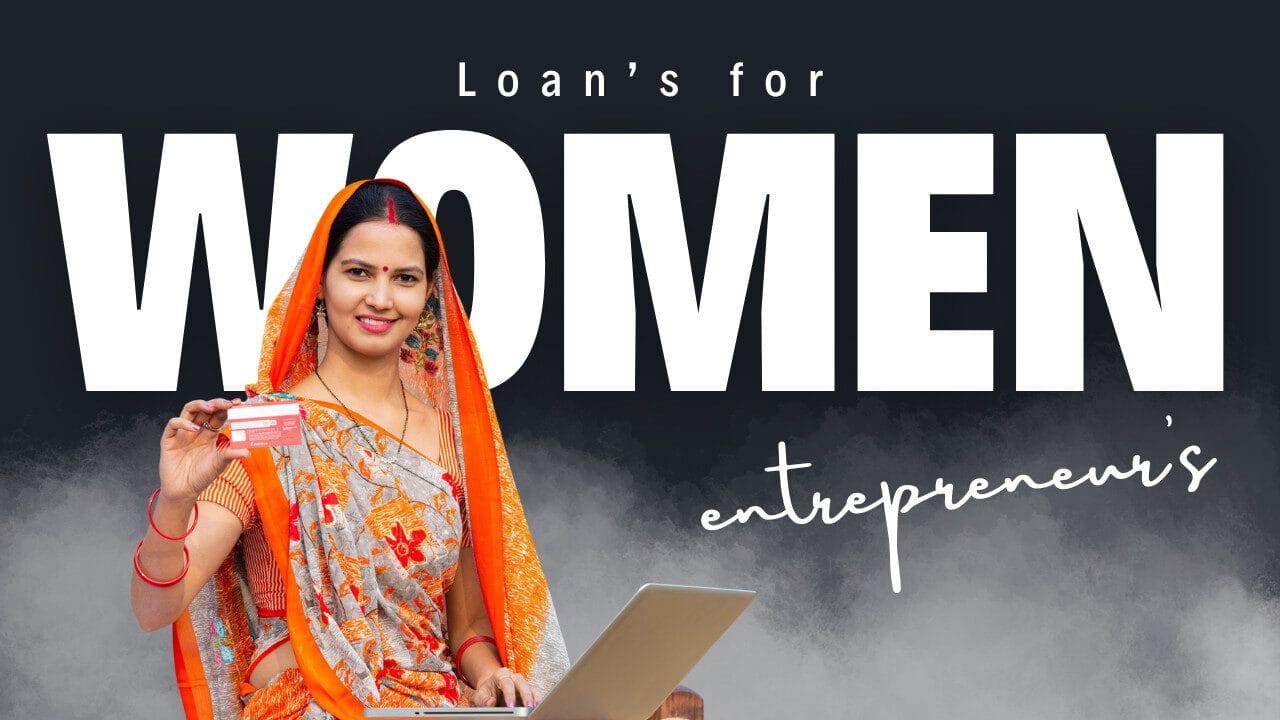
Access to reliable customers represents one of the most critical challenges facing new businesses, particularly those without established market relationships or distribution networks. These startup government funding schemes have created structured pathways for entrepreneurs to access both government and private markets through procurement policies, networking platforms, and market linkage programs.
Government Procurement Policy Startups: Strategic Market Access
The Public Procurement Policy for Micro and Small Enterprises (MSME) order 2012 has mandated Every Central Ministry/Department/PSU shall set an annual goal for procurement from the MSE sector at the beginning of the year, with the objective of achieving an overall procurement goal of minimum 25 per cent of the total annual purchases from the products or services produced or rendered by MSEs. This policy creates a massive market opportunity worth thousands of crores annually for startups and small businesses.
Official Reference: Public Procurement Policy Details
The procurement reservation system goes beyond simple quotas to include specific provisions that make it easier for startups to compete with established businesses. Out of 25% target of annual procurement 4% is exclusively reserved for MSEs owned by SC/ST and 3% for MSEs owned by Women entrepreneurs. This targeted approach ensures that the benefits reach diverse groups of entrepreneurs who might otherwise struggle to access government contracts.
The policy framework includes several startup-friendly provisions that reduce traditional barriers to government contracting:
Earnest Money Deposit Exemption: Startups registered under the Startup India program do not need to provide earnest money deposits when bidding for government contracts. This exemption removes a significant upfront financial burden that often prevents cash-strapped startups from participating in tenders.
Tender Fee Waivers: Government departments cannot charge tender fees from MSMEs for contracts up to ₹25 lakh, reducing the cost of bidding for multiple opportunities simultaneously.
Price Preference Benefits: MSMEs can receive price preference of up to 20% in certain categories, meaning their bids can be selected even if they are slightly higher than competitors.
Advance Payment Facility: Government buyers can provide advance payments of up to 20% of contract value to MSME suppliers, helping manage cash flow during contract execution.
Central Public Procurement Portal and Digital Marketplace Access
The Central Public Procurement Portal of Government of India facilitates all the Central Government Organizations to publish their Tender Enquiries, Corrigendum and Award of Contract details. This centralized system has revolutionized how startups can discover and pursue government business opportunities across different departments and agencies.
Official Reference: Central Public Procurement Portal
The portal provides transparent access to procurement opportunities that were previously difficult for small businesses to discover. All central government organizations must publish their requirements on this platform, creating a single source where startups can search for relevant opportunities across different sectors and departments. The system includes advanced search and filtering capabilities that help entrepreneurs quickly identify contracts matching their capabilities and interests.
Beyond basic tender listing, the portal provides comprehensive information about procurement procedures, evaluation criteria, and vendor requirements. This transparency helps startups better understand what government buyers expect and prepare stronger proposals. The system also tracks vendor performance over time, allowing successful startups to build reputation scores that improve their chances in future bidding processes.
Startup India Hub: Comprehensive Networking and Market Access Platform
Startup India is an e-platform for startups and entrepreneurs; with various stakeholders such as investors, incubators, startups in its network to collaborate. The Startup India Hub has evolved into a sophisticated networking platform that connects entrepreneurs with multiple types of stakeholders essential for business growth.
Official Reference: Startup India Platform
The platform facilitates connections between startups and potential customers, including both government buyers and private sector companies. Large corporations often use the platform to identify innovative suppliers for their procurement needs, particularly when looking for specialized products or services that established suppliers cannot provide. This reverse marketplace approach helps startups access enterprise customers who actively seek innovative solutions.
Investor Connection Services: The hub maintains an extensive database of active investors including angel investors, venture capital funds, family offices, and institutional investors. The matching algorithm considers factors like sector focus, investment stage preferences, ticket sizes, and geographical preferences to suggest relevant investors for each startup.
Mentor Network Access: Experienced entrepreneurs, industry experts, and corporate leaders volunteer their time as mentors through the platform. The matching process ensures that startups connect with mentors who have relevant experience and can provide practical guidance for specific business challenges.
Service Provider Marketplace: Startups need various professional services including legal advice, accounting, marketing, technology support, and consulting. The platform connects startups with service providers who offer competitive rates or specialized startup packages.
Corporate Partnership Opportunities: Large companies use the platform to identify startups for potential partnerships, pilot projects, or technology licensing deals. These corporate connections often lead to significant business opportunities and scaling partnerships.
Emerging Sector Opportunities and Future-Focused Incentives
While established sectors continue to receive government support, several emerging areas offer unique opportunities for innovative entrepreneurs. These sectors align with national priorities including environmental sustainability, rural development, digital transformation, and technological self-reliance, creating favorable policy environments and market conditions for startups.
Green Technology and Environmental Innovation Incentives
Environmental sustainability has become a national priority, creating substantial market opportunities for startups developing clean technologies, renewable energy solutions, waste management systems, and sustainable business practices. The government has established multiple programs specifically targeting environmental innovation, backed by both policy support and financial incentives.
The National Action Plan on Climate Change has created systematic demand for environmental technologies across multiple sectors. Government targets for renewable energy capacity, waste reduction, energy efficiency, and carbon emission reduction translate into concrete business opportunities for startups developing relevant solutions. Additionally, increasing environmental consciousness among consumers and businesses creates growing private sector demand for green technologies.
Clean Energy Innovation Programs: The government regularly conducts startup challenges and innovation competitions focused on clean energy solutions. These programs identify promising startups through competitive processes and provide them with funding, incubation support, and market access opportunities. Winners often receive follow-on funding from government venture funds and connections with established energy companies seeking innovative technologies.
Waste Management Technology Support: Urban waste management represents a significant challenge across Indian cities, creating opportunities for startups developing waste processing, recycling, and waste-to-energy technologies. Government programs specifically support innovations in areas like solid waste processing, water treatment, electronic waste recycling, and organic waste management.
Sustainable Agriculture Technology: Programs target agricultural innovations that reduce environmental impact while improving productivity and farmer income. This includes technologies for precision farming, organic agriculture, water conservation, soil health monitoring, and sustainable pest management.
Carbon Credit and Environmental Markets: India’s commitment to carbon neutrality creates opportunities for startups developing carbon capture technologies, renewable energy systems, and environmental monitoring solutions. Government programs help startups understand and access carbon credit markets and environmental certification systems.
Rural Startup Acceleration and Agricultural Innovation
Rural India represents an enormous untapped market for innovative products and services, with unique challenges that urban-focused startups often overlook. The government has created specialized programs to encourage entrepreneurship in rural areas and support startups developing solutions for rural markets.
Agricultural Technology Innovation: India’s large agricultural sector faces numerous challenges including low productivity, post-harvest losses, limited market access, and climate change impacts. Startups developing agricultural technologies can access specialized support programs, testing facilities at government research institutions, and direct connections with farmer organizations.
Rural E-commerce and Digital Services: Digital infrastructure expansion in rural areas creates opportunities for startups developing e-commerce platforms, digital payment solutions, online education services, and telemedicine applications tailored for rural markets. Government digitization initiatives create demand for these services while providing implementation partnerships.
Rural Manufacturing and Processing: Programs support startups establishing manufacturing and processing facilities in rural areas, particularly those that can create local employment and add value to agricultural products. These ventures often benefit from land allocation support, infrastructure development assistance, and connections with raw material suppliers.
Financial Inclusion Technology: Rural financial services remain underserved, creating opportunities for fintech startups developing solutions for rural credit, insurance, savings, and payment services. Regulatory support from financial authorities and partnerships with rural banks facilitate market entry for qualified startups.
Cross Sector Innovation Grants and Collaboration Programs
The government has recognized that the most impactful innovations often occur at the intersection of different sectors, combining technologies and approaches from multiple domains. Cross sector innovation grants encourage startups to develop interdisciplinary solutions that address complex challenges requiring interdisciplinary approaches.
Health-Technology Integration: Programs support startups combining healthcare expertise with advanced technologies like artificial intelligence, robotics, and data analytics. These ventures can access support from both healthcare and technology development programs, along with specialized funding for digital health innovations.
Education-Technology Convergence: EdTech startups developing innovative educational solutions can access support from education ministry programs along with technology development initiatives. The focus includes both K-12 education innovations and skill development platforms for adult learners.
Agriculture-Technology Fusion: AgriTech startups combining agricultural knowledge with modern technologies receive support from both agricultural development and technology promotion programs. This includes precision agriculture technologies, farm management software, and agricultural biotechnology innovations.
Manufacturing-Service Integration: Programs support startups developing integrated solutions that combine physical products with digital services, reflecting the trend toward servitization in manufacturing. These ventures can access support from both manufacturing promotion and service sector development programs.
The cross-sector approach recognizes that innovation boundaries are blurring, and successful startups increasingly need to understand multiple domains to create comprehensive solutions. Government programs provide access to expertise and resources from different sectors, enabling entrepreneurs to develop more sophisticated and competitive offerings.
These emerging opportunities represent the future direction of India’s startup ecosystem, aligning entrepreneurial innovation with national development priorities while creating sustainable business opportunities for creative entrepreneurs willing to tackle complex challenges.
Official References:
- Startup India Main Portal
- MSME Public Procurement Policy
- Central Procurement Portal
- Public Procurement Details