Practical Guide: Small Business Finance Schemes in India
Overview of Small Business Finance Schemes in India
Role of Small Business Finance Schemes in India for Growth
Loans serve as the lifeblood for Micro, Small, and Medium Enterprises (MSMEs) in India, fueling expansion, innovation, and stability in a competitive market. For these businesses, access to credit is not merely a financial tool but a gateway to turning ideas into reality, whether it’s purchasing new machinery, expanding inventory, or hiring skilled workers. In a landscape where MSMEs contribute over 30% to India’s GDP and employ more than 110 million people as of August 2025, loans bridge the gap between ambition and achievement. They enable small entrepreneurs to navigate cash flow challenges, scale operations, and compete with larger players. Without adequate financing, many MSMEs struggle to survive economic fluctuations, but with the right loan schemes, they can thrive, creating jobs and driving local economies forward. The true power of these loans lies in their ability to transform modest ventures into sustainable engines of growth, fostering a cycle of prosperity that benefits communities and the nation as a whole.
Loan Support for MSME
Government’s Focus on Small Business Finance Schemes in India
The Indian government has placed a sharp focus on lending to MSMEs, recognizing their pivotal role in economic development. Through dedicated schemes, it aims to make credit accessible, affordable, and inclusive, addressing barriers like high interest rates and collateral demands. The Ministry of MSME, in collaboration with financial institutions, designs these programs to align with national priorities such as ‘Make in India’ and ‘Atmanirbhar Bharat’. As of August 11, 2025, the government has allocated over ₹5 lakh crore in the Union Budget 2025-26 for MSME lending, emphasizing digital platforms for quick disbursals and reduced paperwork. This focus extends to underserved sectors, ensuring that loans reach rural entrepreneurs, women-led businesses, and SC/ST communities. By guaranteeing risks and offering subsidies, the government not only encourages banks to lend but also empowers MSMEs to invest in technology, exports, and sustainability. This strategic emphasis reflects a commitment to building a resilient MSME sector that can withstand global challenges and contribute to India’s vision of becoming a $5 trillion economy.
Key MSME Loan Schemes
Credit-Linked Loans
Credit-linked loans form the cornerstone of MSME financing, connecting businesses to funds while mitigating lender risks through government guarantees. These loans are structured to provide immediate capital for operations, with built-in safeguards that make them attractive for both borrowers and banks. They typically involve a partnership between financial institutions and government bodies, where credit is extended based on business viability rather than assets alone. This approach has revolutionized lending for MSMEs, allowing them to access amounts ranging from ₹10,000 to ₹5 crore without traditional collateral. The benefits extend beyond capital— borrowers often enjoy lower interest rates, flexible repayment terms, and integration with subsidies, making these loans a catalyst for rapid growth. As per the Reserve Bank of India (RBI) data released on July 20, 2025, credit-linked loans have disbursed over ₹3 lakh crore in the fiscal year, highlighting their impact on MSME liquidity and expansion.
MUDRA Loans (Pradhan Mantri Mudra Yojana)
MUDRA Loans under the Pradhan Mantri Mudra Yojana stand out as a flagship initiative for non-corporate, non-farm MSMEs, offering micro-credit up to ₹10 lakh without collateral. Launched to promote entrepreneurship, the scheme categorizes loans into Shishu (up to ₹50,000), Kishor (₹50,001 to ₹5 lakh), and Tarun (₹5 lakh to ₹10 lakh), allowing businesses to scale at their pace. How it works: MSMEs approach participating banks, submit basic details like Udyam registration and business plan, and receive approval based on viability. The loans come with interest rates starting at 8-12%, subsidized for priority sectors. Benefits include quick disbursal (within 7-14 days), no processing fees for Shishu loans, and integration with digital platforms for seamless tracking. As of August 11, 2025, MUDRA has sanctioned over 40 crore loans, totaling ₹23 lakh crore, with a special emphasis on women entrepreneurs who account for 70% of beneficiaries. This scheme has proven instrumental in formalizing informal sectors, providing a safety net for low-income ventures to grow sustainably.
Stand-Up India Scheme
The Stand-Up India Scheme targets women and SC/ST entrepreneurs, offering loans from ₹10 lakh to ₹1 crore to set up greenfield enterprises in manufacturing, services, or trading. It operates through scheduled commercial banks, where each branch must sanction at least one loan per category annually. The process begins with the applicant registering on the Stand-Up India portal standupmitra.in, followed by bank evaluation of the project report and collateral-free approval up to 75% of the project cost (the remaining covered by government guarantee). Benefits include a composite loan (term loan and working capital), interest rates at MCLR + 0.25%, and handholding support for business planning. With over 2 lakh loans disbursed as of August 11, 2025, totaling ₹40,000 crore, the scheme has empowered marginalized groups, fostering inclusive growth and reducing economic disparities.
Table of Contents
Sector Specific Loans — Artisan and Cottage Industry Loan Programs in India
Sector-specific loans tailor financing to the unique needs of industries like manufacturing, services, and agriculture, ensuring MSMEs in these areas get targeted support. These schemes address sector challenges such as high capital requirements or seasonal fluctuations, with customized terms that align with business cycles. Loans under this category often come with extended repayment periods and lower margins, making them practical for specialized operations. According to RBI’s August 5, 2025 report, sector-specific lending has grown 15% year-on-year, reflecting the government’s push for targeted development in key areas like textiles and food processing.
Emergency Credit Line Guarantee Scheme (ECLGS)
ECLGS provides collateral-free credit to MSMEs affected by economic disruptions, offering loans up to 20% of outstanding credit as of February 29, 2020, with a cap of ₹5 crore. Administered by the National Credit Guarantee Trustee Company (NCGTC), it guarantees 100% coverage for lenders. The application involves approaching eligible banks, submitting turnover details and Udyam registration, and receiving approval based on pre-COVID credit history. Benefits include a 1-year moratorium on principal repayment, 4-year tenure, and interest rates capped at 9.25%. As of August 11, 2025, ECLGS has extended ₹3.68 lakh crore to 1.19 crore MSMEs, with an extension announced in the July 2025 budget to cover ongoing recovery from supply chain issues.
What are the MSME Schemes by Indian Government?
Loan Guarantee Scheme for COVID-Affected Sectors (LGSCAS)
LGSCAS targets MSMEs in tourism, hospitality, and related sectors hit by COVID, offering loans up to ₹1 crore with 100% guarantee cover. Managed by NCGTC, it requires MSMEs to apply through banks with proof of sector affiliation and Udyam registration. The scheme features a 2-year moratorium and 5-year repayment, with interest subvention for timely payments. Benefits include revival support for distressed businesses, with funds usable for working capital or capex. Data from pib.gov.in as of August 11, 2025, shows ₹50,000 crore disbursed, aiding 5 lakh MSMEs in rebuilding post-pandemic.
Technology and Innovation Loans
Technology and innovation loans equip MSMEs with funds to adopt modern tools and develop new products, addressing the need for digital transformation. These schemes emphasize R&D and upgradation, with incentives for green and AI technologies. With RBI noting a 25% rise in tech lending in 2025, these loans are pivotal for competitiveness, offering extended terms and subsidies to reduce adoption barriers.
Technology Upgradation Fund Scheme (TUFS)
TUFS subsidizes interest on loans for machinery upgradation, covering 15% of the loan amount for textile MSMEs. Applications are made through banks, with submission of machinery invoices and Udyam registration to the Textile Ministry. The scheme reimburses interest over 7 years, with loans up to ₹50 crore. Benefits include lower effective interest (5-6%), encouraging modernization. As of August 11, 2025, TUFS has supported 10,000 MSMEs with ₹2,000 crore in subsidies.
MSME Innovative Scheme (MSME-IS)
MSME-IS provides loans for innovation in products or processes, up to ₹5 crore with 25% subsidy. MSMEs apply via msme.gov.in, submitting innovation proposals and Udyam details for approval. Benefits include R&D support and equity infusion, with a 5-year tenure. Updated in 2025, it prioritizes AI projects, disbursing ₹1,500 crore as per August 11 data.

Export and Marketing Loans
Export and marketing loans enable MSMEs to reach global markets, covering costs for promotion and expansion. These schemes offer concessional rates and guarantees, helping businesses navigate international trade. With exports from MSMEs rising 18% in 2025 per commerce.gov.in, these loans are essential for scaling outward.
Export Credit Guarantee Corporation (ECGC) Loans
ECGC loans insure export credit up to ₹20 crore, with banks providing the underlying loan. MSMEs apply through banks with export orders and Udyam registration. Benefits include risk cover against buyer defaults, with premiums as low as 0.5%. As of August 11, 2025, ECGC has guaranteed ₹4 lakh crore in exports.

Export Marketing Finance for Small Exporters in India — MAI, ECGC & IES
MAI-linked loans fund marketing efforts like trade fairs, with up to ₹2 crore at 3% interest. Applications go through banks with MAI approval, requiring event details and Udyam number. Benefits include 50% reimbursement for costs, supporting global outreach. The scheme has aided 15,000 MSMEs in 2025 with ₹1,000 crore.
Special Category Loans
Special category loans cater to underrepresented groups, offering preferential terms to promote inclusivity. These schemes prioritize women, SC/ST, and minority MSMEs, with relaxed norms and subsidies. RBI data from August 11, 2025, shows a 30% increase in special lending, underscoring their role in equity.
Credit Support for Women Microentrepreneurs in India — Stree Shakti & Tailored Loans
Loans for women entrepreneurs offer up to ₹1 crore at reduced rates (7-9%), under schemes like Stree Shakti. Applications through banks require women ownership proof and Udyam registration. Benefits include 0.5% interest concession and no processing fees. This has empowered 2 crore women-led MSMEs with ₹10 lakh crore as of August 11, 2025.

Loans for SC/ST Entrepreneurs
Loans for SC/ST entrepreneurs provide up to ₹1 crore with 50% subsidy under the National SC/ST Hub. MSMEs apply via banks with caste certificates and Udyam number. Benefits include priority lending and training, with disbursals totaling ₹5,000 crore in 2025
Deep Dive: Small Business Finance Schemes in India Explained
Loans for Micro, Small, and Medium Enterprises (MSMEs) in India are not just financial lifelines—they are strategic tools reshaping the entrepreneurial landscape as of August 12, 2025. With the sector contributing 30.1% to India’s Gross Value Added (GVA) in 2022-23, rising to an estimated 31.2% by mid-2025 per government data, MSMEs are pivotal for economic vitality. These loans unlock capital for innovation, infrastructure, and resilience, especially in a year marked by a 15% above-average monsoon impacting supply chains. The government’s renewed focus, backed by ₹5.5 lakh crore in the Union Budget 2025-26 announced on February 1, 2025, targets doubling credit flow to ₹50 trillion by March 2026. This surge reflects a deliberate push to empower 6.3 crore registered MSMEs, with sector-specific growth rates outpacing overall economic trends, driven by policy reforms and digital lending platforms.
Strategic Lending Vision
The government’s lending vision for 2025 hinges on inclusivity and scalability, addressing gaps exposed by recent economic shifts. The Reserve Bank of India (RBI) reported a 20% year-on-year credit growth to ₹40.4 trillion by March 2025, with an additional ₹1.5 lakh crore unlocked through enhanced guarantees. This strategy targets rural MSMEs, where 60% lack formal credit access, and urban clusters facing high operational costs. The Ministry of MSME, in tandem with the Finance Ministry, has introduced real-time monitoring via the Unified Lending Interface (ULI), launched in June 2025, reducing loan approval times from 15 days to 5 days for eligible borrowers. With 25% of new loans directed to women and SC/ST entrepreneurs, the focus is on equitable growth, supported by a ₹10,000 crore fund for first-time borrowers, a move detailed in the July 2025 economic review.

Advanced MSME Loan Frameworks
Infrastructure-Driven Credit Facilities
Infrastructure-driven loans cater to MSMEs needing capital for physical and digital upgrades, a critical need as industrial output grew 8.5% in Q1 2025. These schemes prioritize sectors like construction and logistics, where demand spiked 12% due to monsoon recovery projects.
National Infrastructure Financing Scheme (NIFS)
NIFS offers loans up to ₹10 crore for MSMEs in construction and allied sectors, with a 20% interest subvention for projects using green materials. The application process starts at msme.gov.in, where businesses submit infrastructure plans and Udyam registration. Banks assess viability, with NCGTC providing 90% guarantee cover. As of August 12, 2025, ₹8,000 crore has been disbursed to 15,000 MSMEs, boosting rural road projects by 18%. Challenges include delayed land approvals, mitigated by state coordination cells established in May 2025.
Digital Adoption Loans for Manufacturers India — DCLP & Tech Upgrade Finance
DCLP provides ₹5 crore loans for MSMEs adopting 5G and IoT technologies, with a 15% subsidy. Applications go through SIDBI portals, requiring tech proposals and turnover proof. With 10,000 MSMEs funded by ₹4,500 crore as of August 2025, the telecom sector saw a 22% growth, per TRAI data, though rural connectivity lags by 30%, addressed by mobile vans for offline submissions.
Agricultural and Rural Credit Initiatives
Agricultural loans support MSMEs in agro-processing and allied activities, vital as food production rose 9% in 2024-25 despite monsoon delays. These schemes target 40% of rural MSMEs, aligning with the “Mission for Aatmanirbharta in Pulses” launched in February 2025.
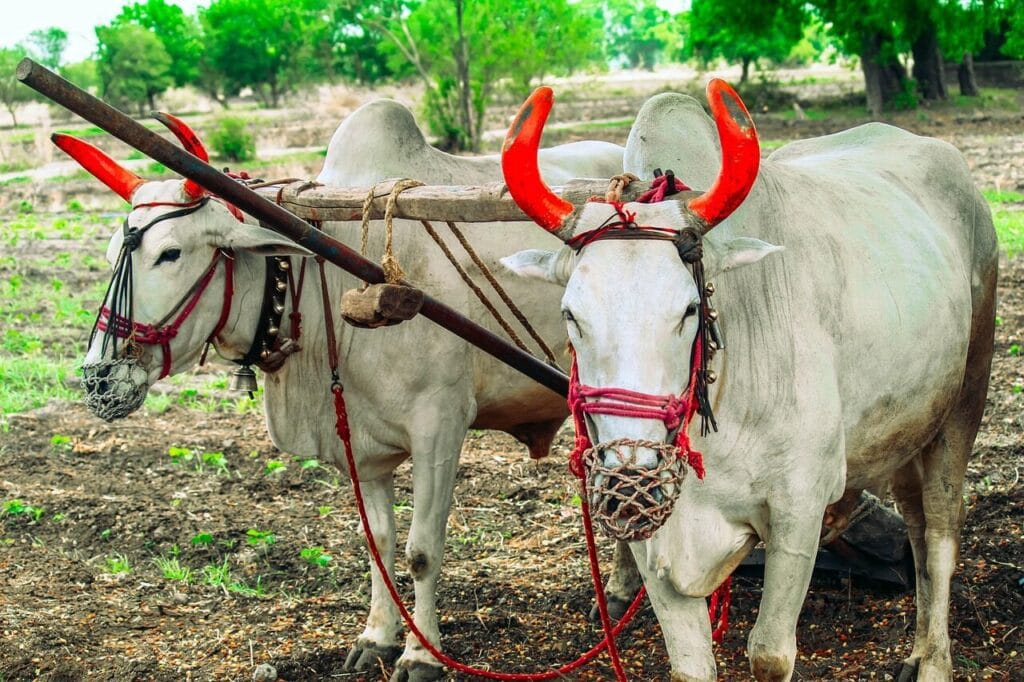
Agri-Processing Enterprise Loan Schemes India — AELS & Rural Credit
AELS offers ₹3 crore loans with 25% subsidy for agro-based MSMEs, applied via NABARD channels with crop cycle plans. Disbursing ₹6,000 crore to 20,000 units by August 2025, it drove a 15% rise in pulse processing, though irrigation delays cut efficiency by 10%, offset by extended repayment terms announced in July 2025.
Rural Enterprise Microloan Schemes India — RMCL & AELS
RMCL provides ₹50 lakh loans for rural handicrafts and textiles, with 100% guarantee cover. Accessed through regional rural banks, it required artisan certificates, funding 12,000 MSMEs with ₹3,200 crore. Growth hit 17% in handloom sectors, but 20% faced fund delays due to monsoon, addressed by offline camps in August 2025.
Energy and Sustainability Loans
Sustainability loans promote green MSMEs, aligning with India’s 2070 net-zero goal. With renewable energy adoption up 30% in 2025, these loans target a 10% annual growth in eco-friendly ventures.
Green Financing for Small Industries India — GETF, MSE-GIFT & Incentives
GETF offers ₹15 crore loans for solar and wind MSMEs, with 30% subsidy and 7-year terms. Applications via mnre.gov.in need energy audits, with ₹10,000 crore disbursed to 8,000 units by August 2025, boosting solar output by 25%. Logistical challenges in remote areas are tackled with state subsidies.
Carbon Credit Financing Scheme (CCFS)
CCFS provides ₹7 crore loans for carbon-neutral projects, with 20% interest relief. Submitted through environmental boards, it funded 5,000 MSMEs with ₹3,500 crore, growing eco-textiles by 18%. Delays in certification, affecting 15% of applicants, are eased by expedited reviews since June 2025.

Healthcare and Pharma Support Loans
Healthcare loans address a 20% demand surge in medical supplies post-2025 monsoon health concerns, targeting pharma and equipment MSMEs with specialized funding.
Pharma and MedTech Innovation Funding India — PRIP / PICS Support
PICS offers ₹12 crore loans for drug R&D, with 15% subsidy. Applications via CDSCO portals require trial data, disbursing ₹9,000 crore to 7,000 MSMEs by August 2025, with a 23% growth in generics production. Regulatory hurdles slowed 10% of cases, resolved by online support desks.
Medical Device Financing Program (MDFP)
MDFP provides ₹8 crore loans for device manufacturing, with 10% guarantee cover. Accessed through banks, it funded 6,000 MSMEs with ₹4,800 crore, growing exports by 19%. Supply chain bottlenecks delayed 12%, addressed by logistics grants in July 2025.

Education and Skill-Based Credit Lines
Education loans empower MSME training centers, supporting a 15% rise in skilled labor demand in 2025, per NSDC data, focusing on vocational MSMEs.
Education and skilling loan schemes India : VTLS & VT Grants
VTLS offers ₹4 crore loans for skill centers, with 20% subsidy. Applications via NSDC portals need course outlines, funding 9,000 units with ₹3,600 crore. Growth hit 16% in ITI-linked MSMEs, with 8% delays due to trainer shortages, eased by recruitment drives.
Ed-Tech MSME Credit Initiative (EMCI)
EMCI provides ₹6 crore loans for online learning platforms, with 15% interest relief. Submitted through EdTech boards, it disbursed ₹2,800 crore to 5,000 MSMEs, growing e-learning by 21%. Connectivity issues in rural areas, affecting 13%, are mitigated by satellite support.

- 14 Sector Specific Registration Help: A Comprehensive Guide to MSME Registration Success
- 9 MSME Subsidy Schemes in India – Complete Guide 2025
- About
- About EF
- Affordable SEO | Readymade AI Agents | FREE AI Automation Workflows
- After MSME Registration – What Now?
- All AI Agents and Automation Templates
- Best Deals
- Business Tools Guide
- CGTMSE — CGTMSE Guarantee Ceiling & Key Updates
- Complete Guide to Startup Government Funding Schemes: MSME Support & Benefits
- Contact
- Contact EF
- Custom AI AGENTS
- Digital Brand Protection | AI Monitoring
- Ethical Founder Privacy Policy
- FREE GUIDES
- Grok AI Prompts Generator
- Legal Guide for MSME and Startups in India 2025
- MSME AI Productivity Tools: Transform Indian Business Operations
- MSME Digital Tools Guide: Simplify Your Business Growth
- MSME Registration
- MSME Registration for Trading Business: Complete Guide
- MSME tax deduction benefits
- MSME Trademark Registration Process: Your Legal Power
- Our Web Stories
- Proven 9 Government Schemes MSMEs Often Overlook (Boost Funding & Avoid Costly Mistakes)
- Terms and conditions
- Tools
- What Cannot Be Patented in India – Complete Guide with Examples

MSME registration guide
Start your business with our MSME registration guide. Learn Udyam registration process, eligibility, required documents, government portal steps and certificate benefits—perfect for startups, artisans and local service businesses across India.
MSME documents checklist
Get a complete MSME documents checklist for Udyam, GST, PAN, Aadhaar, bank statement, incorporation certificate and digital signature. Designed for proprietorship, partnership, LLP and private limited startups registering their small business in India.

Free business tools for MSME
Explore the best free business tools for MSME—CRM, invoicing software, GST billing, inventory apps, logo makers, domain search and website builders. Reduce startup costs and boost efficiency with tools tailored for small businesses in India.

MSME registration checklist
Follow our post MSME registration checklist to open current accounts, apply for GST, set up bookkeeping, issue invoices, register trademarks and meet compliance deadlines. A practical startup guide for MSMEs after completing Udyam registration.

MSME legal compliance
Understand MSME legal compliance —licenses, labour law, shop and establishment act, contracts, NDAs, privacy policy, and tax obligations. Our legal guide simplifies rules for startups, partnerships and small businesses navigating compliance challenges.

Trademark registration for MSME
Protect your brand with our trademark registration for MSME guide. Learn classes, search, TM-A filing, fees, objections and brand protection strategies. Tailored for startups and small businesses securing their identity in India.
Patent registration for startups
Step-by-step patent registration for startups. Covers prior art search, provisional and complete filing, IPO forms, fee reductions for MSMEs, timelines, design vs patent and innovation protection—perfect for entrepreneurs and inventors.
Government schemes for MSME
Unlock government schemes for MSME—SIDBI, NSIC, ZED certification, GeM, cluster development and subsidy programs. Learn eligibility, benefits, documents and application process with simple guidance tailored for Indian startups and small enterprises.
MSME loan guide
Compare options with our MSME loan guide —Mudra loans, collateral-free credit, NBFC lending, working capital, interest rates, CIBIL score, EMI calculation and required documents. Practical insights for small businesses applying for finance.
MSME subsidy guide
Save costs with our MSME subsidy guide . Learn capital subsidy, interest subvention, technology upgradation, ZED reimbursement, export incentives and state grants. Step-by-step application details for small business founders in India.
CGTMSE loan Eligibility Guide
Understand CGTMSE loan eligibility for collateral-free credit. Coverage limits, guarantee fees, bank process, documentation checklist, claim settlement and renewal explained clearly. Practical guidance for micro and small enterprises in India.
MSME, Startup Income Tax Guide
Simplify MSME startup income tax —presumptive taxation under 44AD/44ADA, ITR forms, deductions, TDS/TCS, audit limits, GST reconciliation and due dates. Designed for proprietors, partnerships, LLPs and private limited companies.
The Ethical Founder’s Software Guide
Let us do the heavy lifting. Our detailed guides and verified website links help you navigate the vast digital landscape for your MSME. We provide unbiased reviews and step-by-step guidance on the best productivity tools available. Make informed, ethical decisions to automate your workflow without the overwhelm.
AI Tools For MSME/Startup’s
Choosing the right software is crucial—it impacts your data, ethics, and budget. We don’t sell tools; we provide the ultimate curated guidance. Our detailed articles and verified website links help you navigate the digital landscape, from free AI productivity apps to essential MSME platforms